
This content is reviewed for medical accuracy, compliance with current guidelines and patient safety. expert supervision has been subjected.
Current scientific literature and national clinical guidelines and in-center practical knowledge.



Most of the articles I’ve read about zirconia crowns address the same question: Is zirconia or porcelain better? However, that’s not the question that should really be discussed during a dental exam.
The real question is this: Does your tooth really need a crown, or is there a solution that requires less invasive treatment? There is one irreversible step in the decision to get a crown. Once that step is taken, your options are permanently limited.
This article explains in which situations a zirconium crown is an appropriate option, in which situations it should be postponed or another method considered, and what questions to ask when making a decision.
Straight Answer: A zirconia crown is a treatment option considered in cases such as significant tooth structure loss, large fillings, weakened teeth that have undergone root canal treatment, or the replacement of an old crown. It is not the first choice for issues involving only color or minor irregularities in shape. If gum disease, untreated cavities, or uncontrolled teeth grinding are present, these issues must be addressed first.
What is a zirconium coating, and what isn't it?
A zirconia crown is a type of crown that is placed over a tooth and is made of zirconia-based ceramic. Unlike metal-supported crowns, it does not contain metal in its substructure; therefore, it does not create a gray reflection on the gums and has higher light transmission compared to metal-supported crowns.
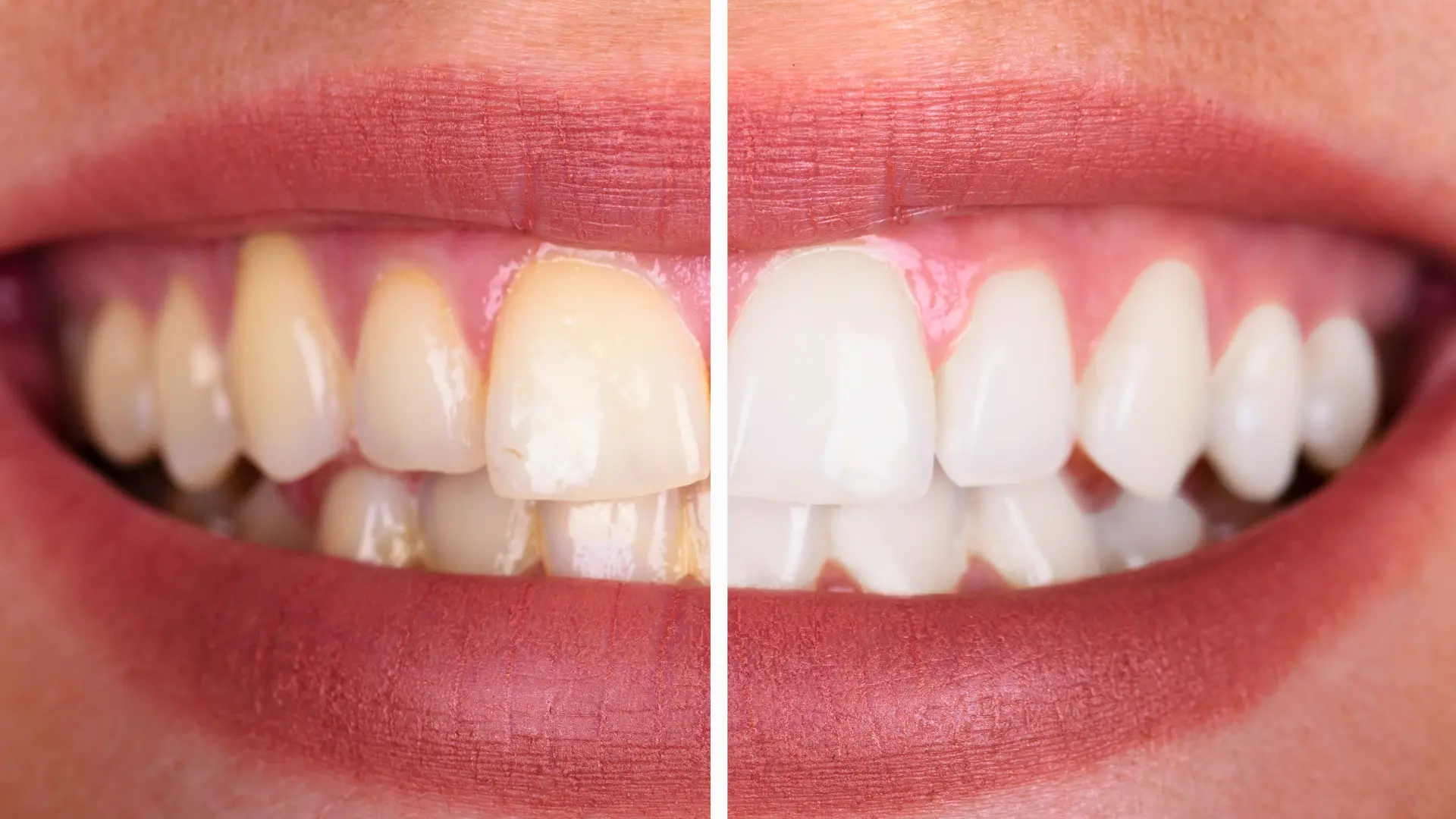
Zirconia is not a teeth-whitening method. Nor is it a surface treatment used to change the color of a tooth. It is a permanent covering placed over the tooth, which requires the tooth to be reduced to a certain extent.
In what situations is a zirconium coating considered?
A dental crown is considered when the tooth’s natural structure cannot support its function on its own. The determining factor here is not appearance, but the amount of healthy tooth structure remaining.
Teeth with significant loss of tooth structure are in the first group. Teeth that have had large fillings placed due to extensive decay, whose fillings have broken repeatedly, or that have undergone root canal treatment become brittle and can no longer withstand chewing forces as they once did. In these teeth, a crown is not an aesthetic choice but a protective solution.
The second category involves the replacement of existing crowns. Replacement is necessary if decay has developed along the edge of an old crown, if the metal substructure has become visible due to gum recession, or if the crown has fractured; in such cases, since the tooth has already been prepared, the decision is made based on a different set of circumstances.
The irreversible step in the decision: tooth extraction
To prepare a tooth for a zirconia crown, it must be shaped so that it can support the crown. This step, commonly referred to as “tooth preparation,” involves removing a certain amount of tooth structure from around the tooth. The procedure is performed under local anesthesia.
This action cannot be undone. Removed tissue cannot be replaced. Once a tooth has been prepared for a crown, it must have a restoration in place for the rest of its life; if the crown breaks, a new one is made, but it is not possible for the tooth to return to its original state.
The amount of tooth structure removed varies from patient to patient. The tooth’s current size, position, whether it has an old filling or crown, the gum line, and the desired outcome all determine this amount. While there is little healthy tooth structure to remove from a tooth that already has a large filling, the same procedure on a healthy tooth results in greater loss of tooth structure.
For this reason, the same procedure does not carry the same weight for two different patients. A crown on a molar that has undergone root canal treatment provides a benefit by protecting the tooth from breaking. On the other hand, on a healthy front tooth with no fillings, the same procedure results in a permanent loss of healthy tooth structure. This is why the decision must be tailored to each individual.
Common Mistakes
The most common mistake is basing the decision to get a dental veneer solely on color expectations. In some cases where patients are dissatisfied with the color of their teeth, teeth whitening or more conservative surface treatments may be sufficient. A dental crown may be the most definitive way to change the color, but it is not the least invasive option; when these two approaches are confused, unnecessary loss of tooth structure results.
For whom is zirconium not suitable, or should treatment be postponed?
Rather than zirconium itself being a problem, there are situations where the underlying surface is unsuitable. Some of these issues can be resolved, and once they are, the coating can be applied.
In some cases, however, the question is not “zirconium or another material?” but rather “is a coating necessary?”.
Issues that need to be resolved first
Active gum disease is at the top of the list. If the gums are bleeding, receding, or inflamed, the placement of a crown is postponed; this is because the edge of the crown comes into contact with the gums, and this interface can cause problems in unhealthy gums. Bleeding gums For this reason, it is evaluated before the coating is planned.
Untreated tooth decay is the second major issue. Tooth decay left beneath a crown continues to progress, and the problem is not noticed until after the crown is placed; How Tooth Decay Forms explains the rationale behind this ranking.
Third, there are oral hygiene habits. A dental crown is not a structure that requires less care than a natural tooth. If the margins and interproximal areas are not cleaned regularly, even if the crown itself remains intact, the tooth beneath it and the surrounding gums will develop problems.
Fourth is overall health. When left uncontrolled, Type 2 diabetes Since it can affect the risk of gum disease and tissue healing, it is advisable to review blood sugar control before treatment planning; smoking is another factor that affects gum health.
Situations in which zirconium may not be the right choice
If the complaint is solely related to color, veneering is often not the first option. Bleaching or more protective surface treatments are considered first. Skipping this step and proceeding directly to veneering results in irreversible loss of tooth structure.
Minor irregularities in shape are the second category. A chipped corner on a single tooth, a slight difference in size, or a small gap usually does not require circumferential preparation of the tooth, and in such cases, less invasive methods are considered.
Teeth clenching and grinding require a separate evaluation. Zirconia is a durable material and may therefore be a suitable option for people who clench their teeth. However, if the patient has an uncontrolled clenching habit, it is not appropriate to proceed with crowns without first prescribing a protective night guard.
The condition of the opposing teeth is also part of this evaluation. A hard restoration can cause wear on the opposing natural tooth over time; therefore, the decision is based not on a single tooth, but on the entire bite.
Finally, the decision to place permanent restorations is postponed in young patients who have not yet completed their growth and development. Restorations placed while the gum line and jaw are still developing may become ill-fitting within a few years. Temporary solutions are preferred during this period.
What factors are considered before a decision on coating is made?
A decision regarding a dental restoration cannot be made in the first minute of the examination. Before that, the tooth, the surrounding tissues, and the bite must all be evaluated.
The evaluation of the tooth itself begins with determining the amount of remaining healthy tissue. At this stage, we examine whether the tooth has had any previous fillings or root canal treatment, whether the decay has progressed, and the condition of the root structure. Imaging is requested when deemed necessary, as problems at the root and bone levels are not visible to the naked eye.
The surrounding tissues are the second key factor. Gum health, the alignment of the gum line with adjacent teeth, and the condition of the supporting tissues directly determine the long-term outcome of the restoration; if the gum line is irregular, the restoration may not meet aesthetic expectations even if it is technically flawless.
Third is the occlusal relationship. How the upper and lower teeth come into contact, which teeth bear the chewing load, and any teeth-grinding habits, if present, are evaluated at this stage. A dental crown placed without considering the occlusion may be subjected to excessive stress in a short period of time. This assessment is the most subtle factor determining how many years the crown will last without problems.
Situations When You Should See a Dentist Without Delay
In a tooth that has been or is scheduled to be restored, the following findings are not part of the expected healing process:
- If the pain after the filling does not subside within a few days but instead worsens,
- If sensitivity to heat and cold is gradually getting worse
- If you have swelling, discharge, or persistent redness in your gums
- If the covering is moving, shifting, or has come loose
- If you feel a sensation of contact and discomfort in a specific tooth when biting down,
- If accompanied by facial swelling or a fever
Alternatives to zirconium and the key differences between them
In the decision regarding restoration, the primary comparison is not between materials but between levels of intervention. There may be multiple approaches for the same complaint that require different amounts of tissue removal.
The table below compares commonly used methods based on the level of intervention they require. Which method is appropriate depends on the condition of the tooth. The table is not a ranking of methods but a decision-making framework.
| Method | Intervention on dental tissue | Typical application | Point to Note |
|---|---|---|---|
| Composite application | At least, reversible in most cases | Minor crack, color difference, narrow gap | It may discolor over time and may need to be replaced |
| Ceramic veneers (laminate) | Limited, mostly on the front surface | Color and Shape Correction of Front Teeth | It may not be suitable if there is excessive material loss |
| All-ceramic crown | Requires a cut all the way around | Need for a crown in the anterior region where aesthetics are a priority | Limited to the area with high chewing load |
| Zirconium Crown | Requires a cut all the way around | Back teeth, bridge, high chewing load | Its light transmittance is lower than that of full-body ceramic |
| Metal-supported crown | Requires a cut all the way around | A well-established and widely used option | A grayish discoloration may be visible on the gums |
The key point to note in the table is the difference between the first two rows and the last three rows. While the methods in the first group involve treating only a portion of the tooth, all of the methods in the crown group require circumferential preparation of the tooth.
For this reason, the correct order is to first discuss the level of intervention and then the material. If the condition of the tooth does not require a crown, there is no practical point in comparing zirconia with all-ceramic restorations. The discussion of materials only becomes meaningful once the decision regarding the crown has been finalized.
“Why is the question ”Zirconia or porcelain?” framed incorrectly?
Although this is a common question, the items being compared are not on the same level. Porcelain refers to a group of materials, while zirconium refers to a specific type of ceramic; in metal-supported veneers, the top layer is also porcelain.
The key factor that makes this comparison meaningful is the type of substructure. The difference between a metal-based restoration and a zirconia-based restoration lies in their appearance at the gum line and their light transmission. The difference between all-ceramic and zirconia restorations, on the other hand, lies in the balance between light transmission and resistance to chewing forces.
For this reason, there is no general answer to the question “which one is better?”. While light transmission is the key factor in the front section, durability is the deciding factor in the back section; it is common to make two different choices for these two distinct sections of the same mouthpiece.
What should you keep in mind after the coating is applied?
The outcome of a dental crown is not determined solely on the day it is placed. The first few weeks and subsequent care directly affect the condition of the crown and the tooth beneath it.
A temporary crown is used between the preparation of the tooth and the placement of the permanent crown. It is not expected for the temporary crown to come loose during this period, and if it does, you should notify your dentist. The exposed tooth surface can cause sensitivity and leaves the tooth vulnerable to external factors.
Sensitivity in the early days
After a permanent crown is placed, you may experience temporary sensitivity to hot and cold. This is usually mild and subsides within a few days.
It is not expected that sensitivity will increase rather than decrease, reach a level severe enough to wake you up at night, or become noticeable through biting. In such cases, the fit of the restoration and the condition of the underlying tooth are evaluated. Early intervention often results in a simpler solution.
Gum Health and Hygiene
The most critical area of the dental restoration is the margin where it meets the gum. Plaque that accumulates along this margin can lead to both gum inflammation and decay in the marginal area.
For this reason, cleaning between the teeth is even more important than brushing. Dental floss or an interdental brush recommended by your dentist should be used regularly. This habit protects not so much the restoration itself as the tooth beneath it and the surrounding gums.
Regular checkups serve the same purpose. A problem that starts in the peripheral area may not show symptoms in the early stages and is often detected during an examination.
Questions to Ask Your Doctor
When a coating is recommended, asking these questions before making a decision will make things easier for you:
- Is there an option for this tooth that requires less tooth structure removal than a crown?
- How much tooth structure will be removed, and can it be restored?
- Is there a problem with my gums or another tooth that needs to be addressed first?
- Do I need to take any additional precautions for my teeth-grinding habit?
What determines the lifespan of a coating?
There are many different estimates circulating online regarding how long coatings last, and most of these estimates are provided without citing a source. In reality, it is not possible to give a single figure, because it is the conditions of use—rather than the material itself—that determine the coating’s lifespan.
There are four key factors: how well the crown fits along the edges, whether the underlying tooth remains strong, the regularity of oral hygiene, and how the chewing force is distributed. If these four factors are favorable, the crown can be used problem-free for many years. However, if even one of these factors is compromised, even the most durable material will develop problems sooner than expected.
The most common cause of a crown failing is not the material breaking. In most cases, the problem is decay or gum disease that starts at the edge of the crown; in other words, the lifespan of a crown is largely determined by the care taken after it is placed.
Frequently Asked Questions
Does a zirconia crown damage the tooth?
Zirconium itself is a biocompatible material and does not have a structure that damages tissue. The debate over harm relates not to the material itself, but to the tooth preparation performed for the restoration. Unnecessary tooth preparation results in permanent tissue loss; therefore, the real question is not about the material, but about the appropriateness of the indication.
Is the tooth always prepared when getting a zirconia crown?
For crown-type restorations, the tooth must be prepared to support the restoration. The extent of the preparation varies depending on the tooth’s current condition; in a tooth with a large filling, less healthy tooth structure needs to be removed. Methods that do not require preparation constitute a separate group and are used in different situations.
Do zirconium crowns discolor?
The surface of a zirconia crown is more resistant to staining than a natural tooth, and permanent staining from beverages such as coffee or tea is not expected. Any color difference that appears over time is usually caused not by the crown itself, but by gum recession or buildup along the margins.
Is pain after a filling normal?
Mild sensitivity and temporary discomfort when biting may occur in the first few days. Pain that worsens, wakes you up at night, or is accompanied by swelling is not part of the expected course and should be evaluated.
I clench my teeth—is zirconia right for me?
Due to its durability, zirconia may be a suitable option for people who clench their teeth. However, the crown alone is not sufficient; a protective night guard must be prescribed to address the clenching habit, and the condition of the opposing teeth must be evaluated.
Is a follow-up check-up necessary after getting a dental crown?
Yes. The fit of the crown, gum health, and the condition of the underlying tooth are monitored through regular checkups. Problems that develop in this area may not show symptoms in the early stages.
The One Question That Needs to Be Clarified Before Making a Decision
A zirconia crown is a reliable and functional solution when placed on the right tooth for the right reason. The problem almost never lies with the material itself; it lies in how the decision is made.
For this reason, the question that needs to be clarified during the examination is not “which material,” but rather “does this tooth really require a crown, and is there an alternative that can be resolved with less tooth structure removal?” Once this question is answered, choosing the material becomes much easier, and the decision becomes one taken with the full understanding that it is an irreversible step.
Oral and Dental Health at Sana Medical Center
The Oral and Dental Health Unit provides services that include an evaluation of the teeth and gums, a check for cavities and fillings, and a joint review of treatment options prior to planning dental restorations. In cases where teeth are missing, dental implant Different approaches, including this one, can be addressed within the same evaluation. Regarding the scope of the unit, Oral and Dental Health You can view the page and check the days and hours of operation Contact You can access it from the page.
This content, Sana Medical Center specialist physician staff in line with current medical literature and clinical experience. It is intended for general information purposes only and does not constitute medical advice. For individual assessment appointment with our specialist physicians is recommended.